





Introduction
Sri Lanka, an island nation nestled in the Indian Ocean, boasts a rich tapestry of cultural expressions, with traditional dance standing out as a vibrant embodiment of its historical and spiritual heritage. These dances, deeply rooted in ancient rituals and religious ceremonies, have evolved over centuries, reflecting the island’s diverse influences and regional variations.
The origins of Sri Lankan traditional dance trace back to around 600 B.C., where dance was not merely a form of entertainment but an essential component of rituals and ceremonies aimed at appeasing deities and warding off evil spirits. Over time, these ritualistic performances transformed into structured art forms, giving rise to distinct dance traditions that encapsulate the island’s rich cultural mosaic.
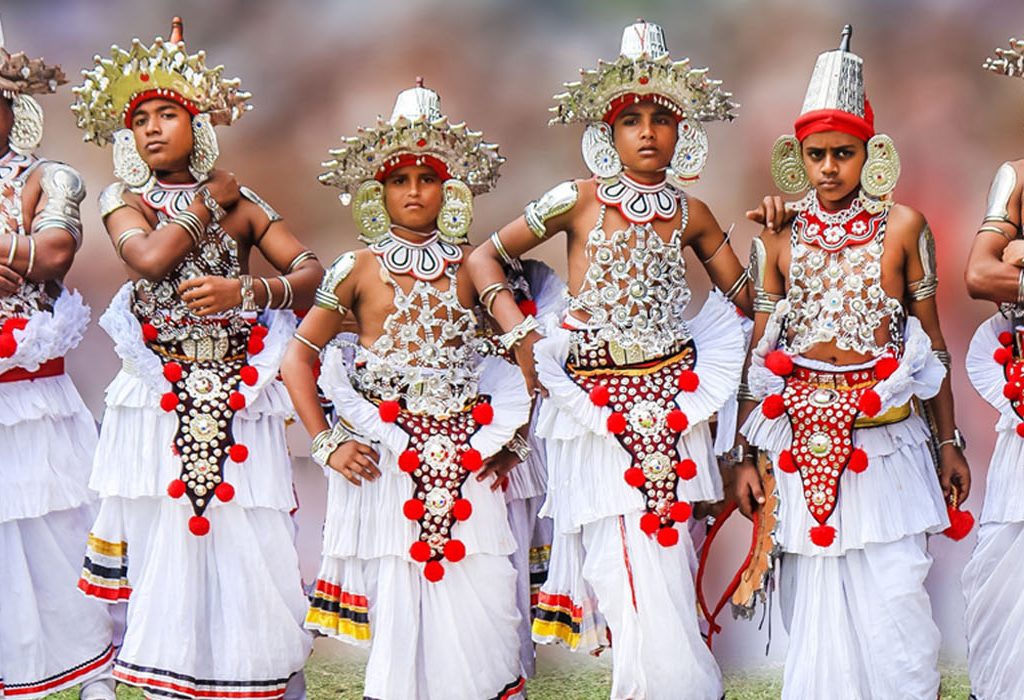
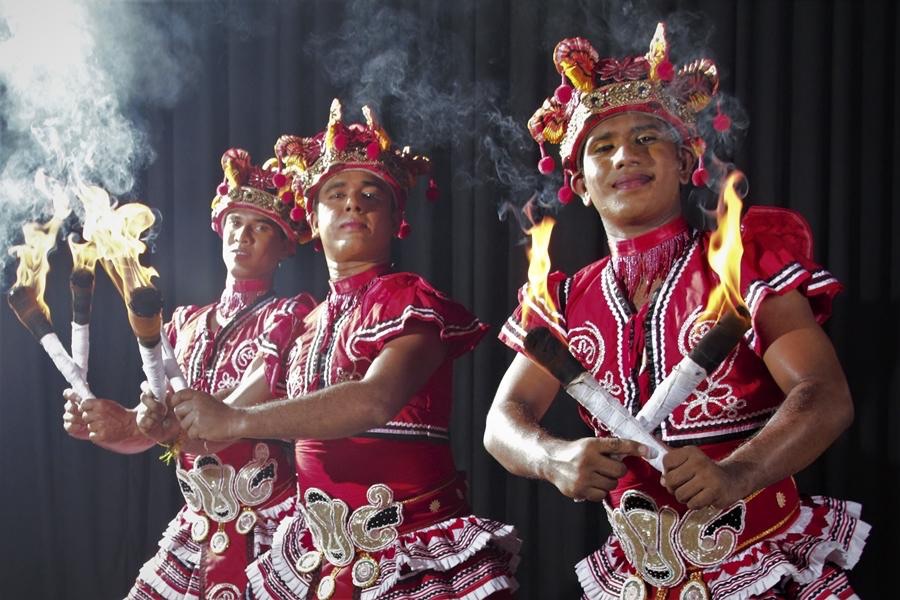
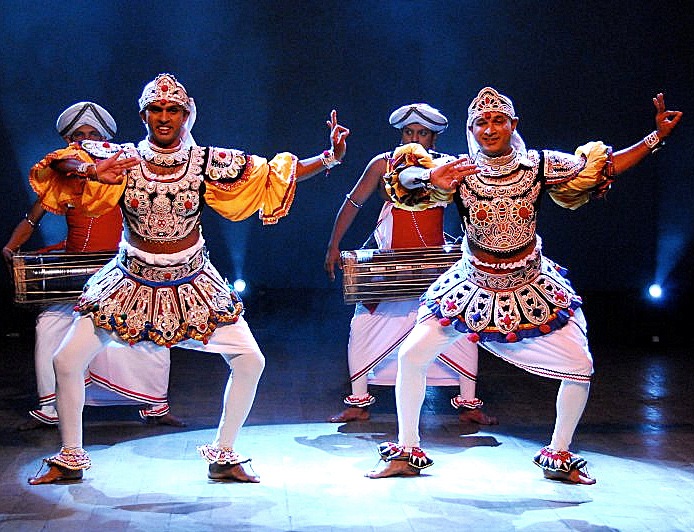
The three primary classical dance forms—Kandyan (Udarata Natum), Low Country (Pahatharata Natum), and Sabaragamuwa Natum—each originate from different regions and serve unique cultural and spiritual purposes. Kandyan dance, originating from the central hills, is renowned for its dynamic movements and elaborate costumes. Low Country dance, prevalent in the southern coastal areas, is characterized by its use of masks and exorcism rituals. Sabaragamuwa dance, from the Sabaragamuwa province, blends elements of the other two styles and is often associated with the worship of the deity Saman.
Beyond these classical forms, Sri Lanka’s dance heritage encompasses a variety of folk dances, such as the Kolam, a masked dance-drama that satirizes social norms, and the Sanni Yakuma, an exorcism ritual involving 18 masked dances representing various ailments. These performances not only entertain but also serve as mediums for storytelling, social commentary, and spiritual healing.
In contemporary times, traditional dance continues to be a vital aspect of Sri Lankan culture, showcased during festivals like the Kandy Esala Perahera, where dancers perform in grand processions to honor the Sacred Tooth Relic of Buddha. Efforts to preserve and promote these dance forms are evident through cultural institutions, schools, and performances that keep the traditions alive for future generations.
This article delves deeper into the historical evolution, cultural significance, and the intricate artistry of Sri Lankan traditional dance, offering insights into how these movements narrate the island’s rich and diverse heritage.
📜 Historical Origins of Sri Lankan Traditional Dance
Ancient Roots
The genesis of Sri Lankan dance can be traced back to ancient rituals and religious ceremonies. Initially, these dances served as spiritual expressions aimed at appeasing deities and warding off malevolent spirits. Over time, they evolved into structured art forms, reflecting the island’s diverse cultural influences.
Evolution Through the Ages
As Sri Lanka interacted with neighboring civilizations, its dance forms assimilated various elements, enriching their complexity and appeal. The integration of Buddhist themes, indigenous folklore, and regional traditions culminated in a diverse array of dance styles, each with its unique significance and aesthetic.
💃 Major Traditional Dance Forms
1. Kandyan Dance (Udarata Natum)
Originating from the hill country around Kandy, Kandyan dance is renowned for its dynamic movements and elaborate costumes. Traditionally performed by male dancers, it encompasses various sub-styles, including the Vannam, which are dances inspired by nature and mythology.
2. Low Country Dance (Pahatharata Natum)
Predominant in the southern coastal regions, Low Country dance is characterized by its use of masks and exorcism rituals. These performances often depict stories of demons and deities, serving both entertainment and healing purposes.
3. Sabaragamuwa Dance
Hailing from the Sabaragamuwa province, this dance form is a blend of Kandyan and Low Country styles. It is primarily associated with the worship of the deity Saman and is performed during religious festivals and ceremonies.
🧘 Health Benefits of Traditional Dance
Engaging in traditional Sri Lankan dance offers numerous health advantages:
• Physical Fitness: The vigorous movements enhance cardiovascular health, flexibility, and muscular strength.
• Mental Well-being: The rhythmic patterns and expressive gestures promote mindfulness and emotional release.
• Social Connection: Group performances foster a sense of community and shared cultural identity.
• Cognitive Development: Learning complex choreography improves memory and coordination.
🎭 Cultural Significance
Traditional dance in Sri Lanka is more than an art form; it’s a vessel of cultural transmission. Through dance, stories of ancient heroes, moral lessons, and religious beliefs are passed down generations, preserving the nation’s rich heritage.