


27 October 2026Israelis voted in their first national election since 7 October 2023, and no bloc won a clear majority.
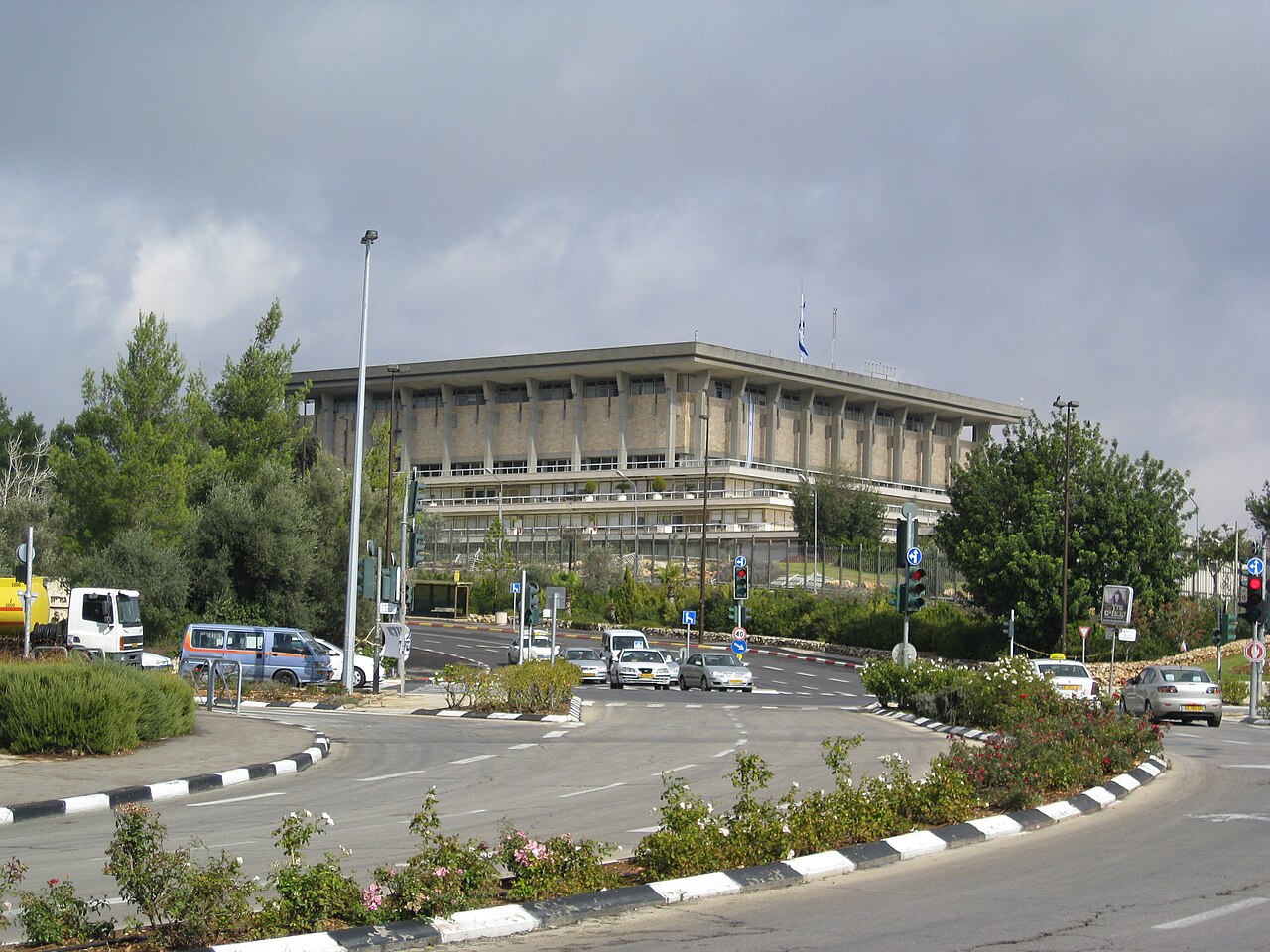
Featured image: The Knesset building in Jerusalem. Photo: Chris Yunker from St. Louis, United States, CC BY-SA 2.0, via Wikimedia Commons.
Key facts
- The 120-seat Knesset was contested in Israel’s first election since 7 October 2023.
- Final results: Netanyahu’s bloc 53 seats, main opposition 48, Arab-led parties 19.
- Netanyahu’s bloc held 68 seats at its peak in the previous parliament.
- Netanyahu has ruled out a coalition with Arab parties.
- The new Knesset is expected to be sworn in on 10 November.
The vote
Polls opened on 27 October for Israel’s first national election since the 7 October 2023 attacks, widely seen as a referendum on Prime Minister Benjamin Netanyahu. Opinion polls showed his coalition and the opposition neck and neck, with no clear path to a majority in the 120-seat parliament. Former military chief Gadi Eisenkot was Netanyahu’s main challenger. Election officials reported a record turnout of just under 56% of eligible voters within nine hours.
The count
With more than 85% of ballots counted, Netanyahu’s bloc was projected to win 53 seats, Eisenkot’s opposition 48 and Arab-led parties 19. Final results confirmed those figures. The bloc held 68 seats at its peak in the previous parliament. Israel’s president said he hoped a second election could be avoided.
Coalition talks
Netanyahu has ruled out a coalition with Arab parties. SBS reported differing figures for the number of seats needed to form a government, between 60 and 61. Netanyahu’s party made unsubstantiated claims that Arab-led parties had stolen the election. The new Knesset is expected to be sworn in on 10 November.