



Vitamin D: The Sunshine Vitamin and Its Powerful Health Benefits
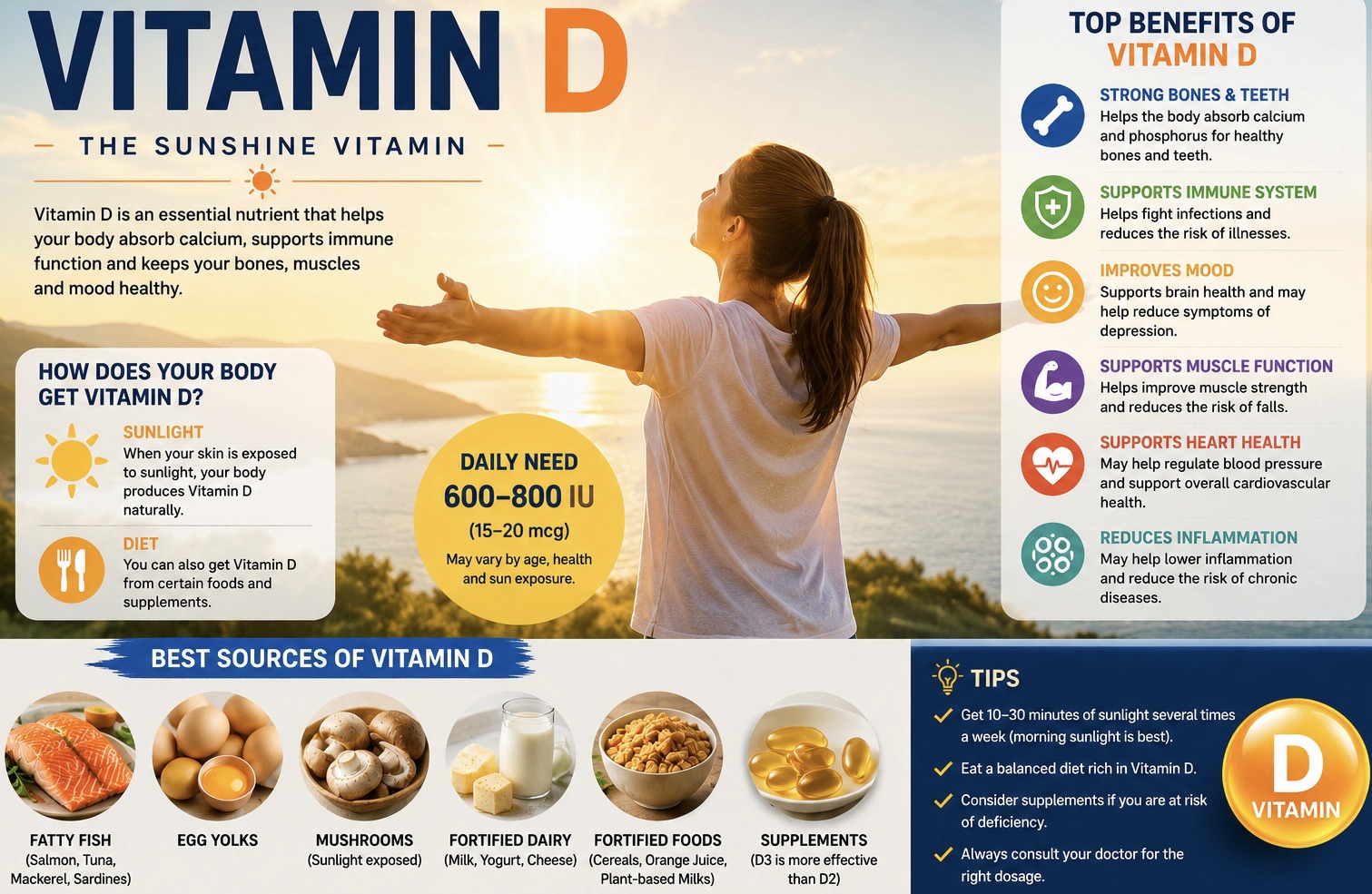
Vitamin D is one of the most essential nutrients the human body needs for overall health and wellbeing. Often called the “Sunshine Vitamin,” Vitamin D is produced naturally when the skin is exposed to sunlight. It plays a critical role in maintaining strong bones, supporting the immune system, improving mood, and promoting overall body function.
Despite its importance, millions of people worldwide suffer from Vitamin D deficiency without even realising it. Modern indoor lifestyles, limited sun exposure, poor diet, and seasonal changes contribute to low Vitamin D levels in many individuals.
This article explores the importance of Vitamin D, its health benefits, sources, deficiency symptoms, and ways to maintain healthy levels naturally.
What Is Vitamin D?
Vitamin D is a fat-soluble vitamin that helps the body absorb calcium and phosphorus, two minerals essential for healthy bones and teeth. Unlike many other vitamins, Vitamin D also functions like a hormone and affects numerous systems throughout the body.
There are two major forms of Vitamin D:
Vitamin D2 (Ergocalciferol) – found in some plant sources and supplements Vitamin D3 (Cholecalciferol) – produced by the skin through sunlight exposure and found in animal-based foods
Vitamin D3 is considered more effective in raising Vitamin D levels in the body.
Top Health Benefits of Vitamin D
1. Strengthens Bones and Teeth
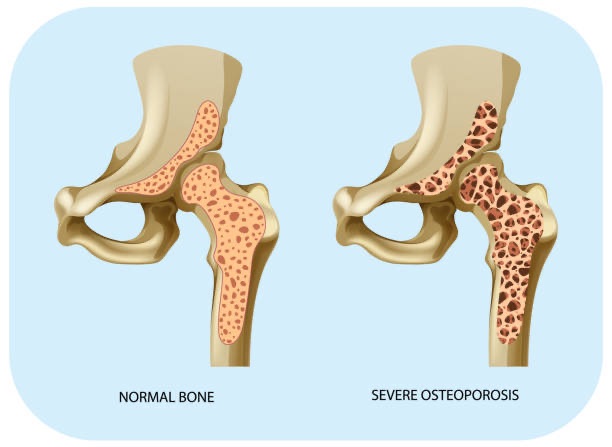
One of the most important functions of Vitamin D is helping the body absorb calcium efficiently. Without enough Vitamin D, bones can become weak, brittle, and fragile.
Vitamin D helps prevent:
Osteoporosis Rickets in children Bone fractures Weak teeth Bone pain
Strong bones are especially important for growing children and older adults.
2. Supports the Immune System
Vitamin D plays a major role in supporting the body’s immune defence system. It helps immune cells function properly and may assist the body in fighting infections and illnesses.
Research suggests that healthy Vitamin D levels may help reduce the risk of:
Seasonal illnesses Respiratory infections Certain autoimmune conditions
A healthy immune system is essential for protecting the body from harmful bacteria and viruses.
3. Improves Mood and Mental Health
Vitamin D is closely linked to brain health and emotional wellbeing. Low Vitamin D levels have been associated with:
Depression Anxiety Mood swings Fatigue
Sunlight exposure naturally increases Vitamin D production and can positively influence mood and energy levels.
Many people feel happier, more energetic, and mentally refreshed after spending time outdoors in sunlight.
4. Supports Muscle Strength
Vitamin D contributes to muscle health and physical performance. Deficiency may lead to:
Muscle weakness Muscle aches Fatigue Poor balance
Adequate Vitamin D levels help maintain strength, mobility, and physical function, especially in older adults.
5. Promotes Heart Health
Emerging research suggests Vitamin D may support cardiovascular health by helping regulate blood pressure and supporting healthy blood vessels.
Although more research is ongoing, maintaining healthy Vitamin D levels may contribute to overall heart wellness.
6. Helps Reduce Inflammation
Vitamin D has anti-inflammatory properties that may help the body manage inflammation more effectively.
Chronic inflammation is linked to many health conditions, including:
Heart disease Diabetes Arthritis Autoimmune disorders
Healthy Vitamin D levels may help support the body’s natural balance.
7. Supports Healthy Pregnancy
Vitamin D is important during pregnancy for both the mother and the developing baby. Adequate levels may help support:
Baby’s bone development Immune health Maternal wellbeing
Pregnant women are often advised to monitor their Vitamin D levels under medical guidance.
Signs and Symptoms of Vitamin D Deficiency
Vitamin D deficiency can sometimes develop slowly, making symptoms difficult to notice at first.
Common symptoms include:
Constant tiredness Bone pain Muscle weakness Frequent illness Low mood or depression Hair loss Slow wound healing Joint pain
Severe deficiency can lead to serious health complications if left untreated.
Best Natural Sources of Vitamin D
1. Sunlight
The best natural source of Vitamin D is sunlight. When sunlight touches the skin, the body produces Vitamin D naturally.
Short periods of safe sun exposure can help maintain healthy levels. However, balance is important to avoid skin damage from excessive sun exposure.
2. Fatty Fish
Certain fish are rich in Vitamin D, including:
Salmon Tuna Sardines Mackerel
These foods are excellent additions to a healthy diet.
3. Egg Yolks
Egg yolks contain small amounts of Vitamin D and other important nutrients.
4. Dairy Products
Milk, cheese, yogurt, and fortified dairy products may contain added Vitamin D.
5. Mushrooms
Some mushrooms naturally produce Vitamin D when exposed to sunlight.
6. Supplements
Vitamin D supplements are commonly used when natural intake is insufficient. It is best to consult a healthcare professional before taking supplements regularly.
Who Is at Risk of Vitamin D Deficiency?
Certain groups are more likely to experience low Vitamin D levels, including:
People who spend most of their time indoors Older adults Individuals with darker skin People living in colder climates Those who wear full-body covering clothing Individuals with certain medical conditions
Regular health check-ups can help monitor Vitamin D levels.
How Much Vitamin D Do You Need?
Vitamin D requirements vary based on age, health status, and lifestyle.
Factors affecting Vitamin D needs include:
Sun exposure Diet Age Pregnancy Overall health
Healthcare professionals may recommend blood tests to determine Vitamin D levels and appropriate supplementation if necessary.
Can You Have Too Much Vitamin D?
Although Vitamin D is essential, excessive intake through supplements can be harmful.
Too much Vitamin D may lead to:
Nausea Kidney problems High calcium levels Weakness Confusion
It is important to follow recommended guidelines and seek medical advice before taking high doses.
The Importance of a Balanced Lifestyle
Vitamin D works best as part of a healthy lifestyle that includes:
Balanced nutrition Regular physical activity Proper sleep Stress management Safe sunlight exposure
Together, these habits contribute to long-term health and wellbeing.
Conclusion
Vitamin D is one of the most important nutrients for maintaining strong bones, a healthy immune system, emotional wellbeing, and overall body function. Known as the “Sunshine Vitamin,” it plays a powerful role in supporting physical and mental health.
With modern lifestyles keeping many people indoors, Vitamin D deficiency has become increasingly common around the world. Fortunately, regular sunlight exposure, healthy foods, and proper medical guidance can help maintain optimal Vitamin D levels.
Taking care of your Vitamin D levels today can contribute to a healthier, stronger, and more energetic future.